There are so many design job titles in the tech industry. Product designer, UX designer, UI designer, web designer, marketing designer. And just to make things more confusing, different companies can use the same title for quite different jobs, or different titles for essentially the same role.
If you’re entering the industry or thinking about a change, the useful question isn’t just “What does this title mean?” It’s “What would I actually be doing, and is that the work I want to do?”
Here’s how I think about five common design roles in tech, the skills they involve, and the kinds of interests that might make each one a good fit.
Key Takeaways
- Read responsibilities carefully because the same design title can mean different things at different companies.
- Company size and team structure influence whether a design role is broad or specialized.
- Choose work that interests you and develops skills you want, knowing you can change paths later.
Table of Contents
- Product Designer: Designing the Digital Product
- UX Designer: Making the Experience Work Better
- UI Designer: Bringing the Interface to Life Visually
- Web Designer: Applying UX and UI to a Website
- Marketing Designer: Combining Websites, Brand, and Marketing Materials
- How to Choose the Right Design Role for You
Product Designer: Designing the Digital Product
A product designer works on the design of a digital product. In tech, this title has become a common way to describe a UX/UI designer, but the exact balance of responsibilities depends heavily on the company’s size and team structure.
At a smaller company, a product designer is likely to wear a lot of hats. You might work across:
- User experience: figuring out how the product should work and how people move through it.
- User interface design: designing the visual side of that experience.
- The design system: helping create and maintain the components used throughout the product.
As the company and design team grow, the role can become much more focused. You might work on one particular area of the product, one feature, or one specific skill set. Rather than handling research, UX, and visuals, you could spend most of your time on the UX side.
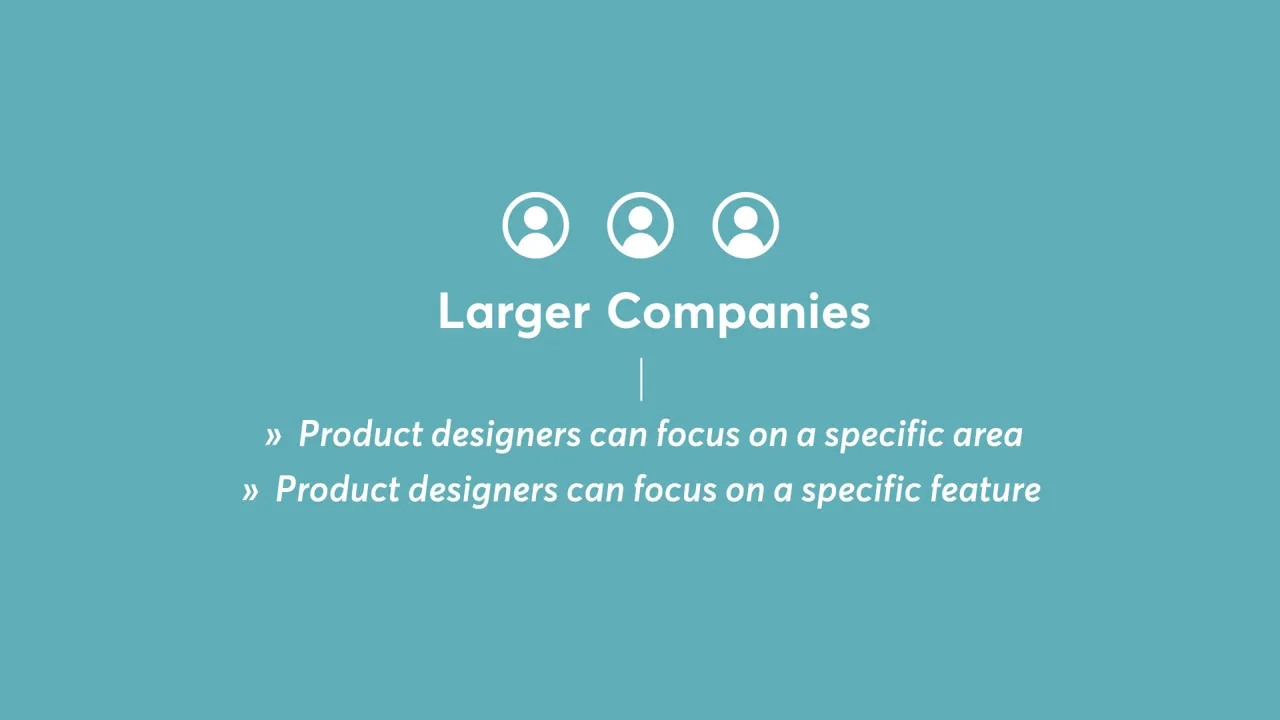
This is why I really recommend reading product design job descriptions carefully. The title alone won’t tell you how broad or specialized the job will be.
Product design could suit you if you’re interested in what people need to accomplish with a product, learning how they currently use it, and making improvements that help them. If you love systems and paying attention to all the small details that add up to an experience, there’s a lot here to enjoy.
UX Designer: Making the Experience Work Better
A UX designer focuses specifically on the experience someone has with a product. The goal is to figure out efficient, enjoyable ways for people to get things done.
In practice, that can involve:
- Mapping user journeys and flows through the product.
- Creating wireframes to explore the structure of an experience.
- Doing user research, depending on the role.
- Making prototypes.
- Working out the information architecture, or how information and functionality should be organized.
You’re figuring out a structure that solves a problem for the user and, usually, for the business too. If you’d like more background on the term, Nielsen Norman Group’s definition of user experience is a useful reference.
Once that structure is in place, a UX designer might hand the work over to a UI designer for the visual layer. Or they might use an existing design system of predesigned components to bring it together.
UX design could suit you if you’re especially drawn to the data, research, and analytical side of design, and less interested in making visual expression the focus of your work. There’s still plenty of problem-solving creativity involved, but the emphasis is on how the experience works rather than its artistic expression.
One important job-search tip: look at product designer listings as well as UX designer listings. A role that sounds exactly like the UX work you want to do may be advertised under a product design title.
UI Designer: Bringing the Interface to Life Visually
A UI designer designs the visuals of a user interface. Where UX focuses on the structure and flow of an experience, UI focuses on how that interface looks and how its visual elements work together.
In my experience, standalone UI designer roles aren’t as common in tech as combined UX/UI or product design roles. Companies often expect one designer to handle both sides.
Where a separate UI role does exist, it may involve working closely with a UX designer to bring the experience to life visually. It might also involve working on a design system, making decisions about colors, button sizes and shapes, and how components fit together harmoniously.
Those decisions don’t just affect one screen. Other designers may use those components to create their own designs, so the visual work becomes part of a shared system.
UI design could suit you if you want to focus on the visual side of digital design. Just be careful when searching: a combined UX/UI or product designer listing may expect considerably more experience-design work than you’re looking for.
Web Designer: Applying UX and UI to a Website
A web designer in a tech company uses many of the same skills as a product designer: UX, UI, information architecture, and user research. The difference is where those skills are applied.
Rather than designing the product itself, you’ll usually be designing the company’s marketing website, the site that helps people understand the product and decide whether to use it. This role often sits within the marketing or growth side of the organization.
You might also see the title “Web UI Designer.” Despite the emphasis on UI in that name, I’ve found these roles often include responsibility for the website’s user experience as well as its visual look and feel. Another reason not to rely on titles alone!
One thing I particularly like about web design is that there’s often more room for visual creativity and flexibility than there is within a product. Products tend to need more structure, with lots of interconnected pieces to consider. A marketing website can offer more freedom in how you express ideas.
Web design could suit you if you enjoy both UX and visual design, but also want room to flex your creative muscles.
Marketing Designer: Combining Websites, Brand, and Marketing Materials
Marketing design is my personal favorite. It can include responsibility for the marketing website, but it extends beyond that to other marketing materials, assets, and the design of the brand.
In tech companies, this role is also often called brand designer. Those titles can be used interchangeably, so if you’re looking specifically for branding work, check the responsibilities carefully. A brand designer listing may actually describe a broad marketing design job, rather than a role focused primarily on creating brand identities.
Marketing designers use many of the same skills as product and web designers, including UX, UI, and information architecture. But the range of work may also call for graphic design and illustration skills.
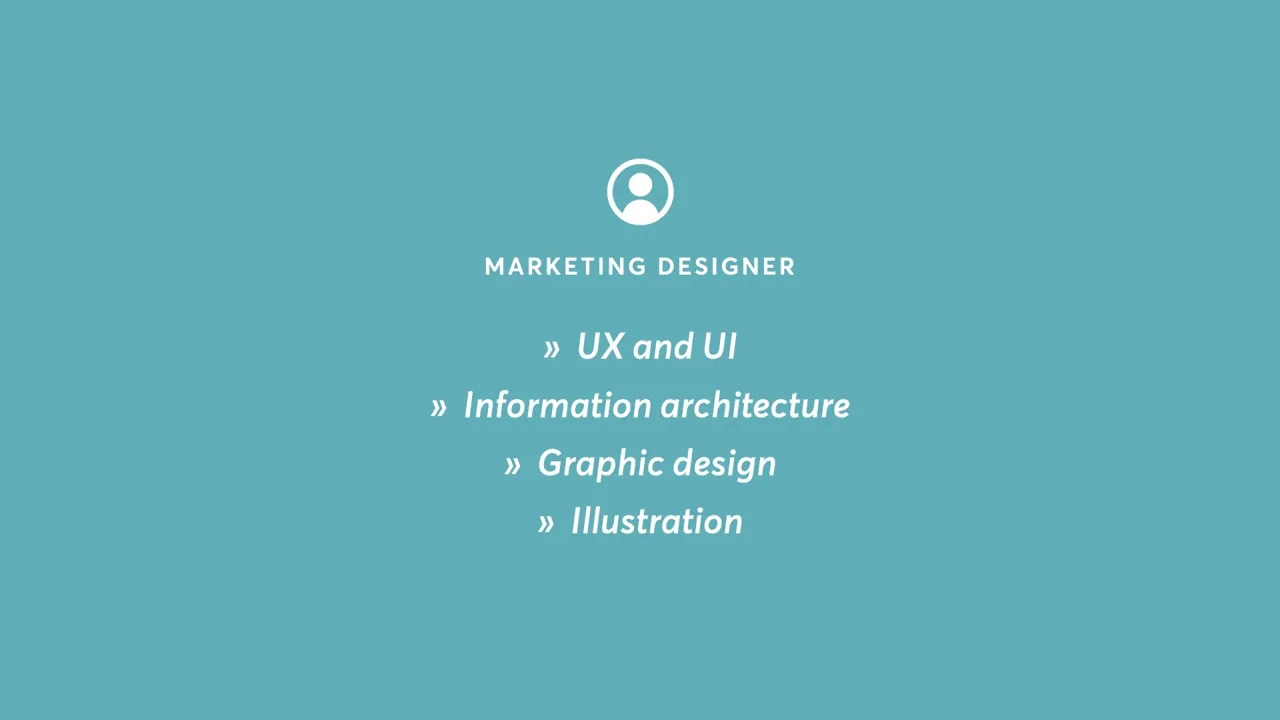
As with product design, the scope varies a lot between companies. Team size makes a difference, but so do the brand’s visual style and the marketing activities the company uses. An illustration-heavy brand may need a different mix of skills from a company that produces a lot of printed marketing materials.
Broadly, the challenges you’ll work on include:
- Improving conversion rates: helping marketing materials perform better.
- Making information easy to find: giving people access to what they need to decide whether the product is right for them.
- Expressing the brand: applying its visual identity across a range of projects and assets.
Marketing design could suit you if you enjoy variety, like both the art and science sides of design, and have an interest in marketing and branding.
If you want to explore what this role looks like at different tech companies, my podcast, Inside Marketing Design, features interviews with other marketing designers about their work.
How to Choose the Right Design Role for You
I’d start with the kind of work that interests you most and the skills you most want to develop, rather than trying to choose the perfect title.
As you read job descriptions, pay attention to three things:
- What you’ll design. Is it the product itself, the marketing website, or a wider range of branded materials?
- Where you’ll spend your time. Is the emphasis on research and structure, visual design, or a combination?
- How broad the role is. Will you cover several disciplines, or focus on one area, feature, or skill set?
Search across overlapping titles, too. UX work may sit under product design. Web design may sit under marketing design. Brand design may include both.
And remember: choosing one path doesn’t mean you’re stuck on it forever. The skills overlap, and what you learn in one role can apply to another. Start with the work you’re most curious about now. You can change direction as you discover what you enjoy.


